Why Aluminum Foundry Techniques Are Ideal for Agile Product Development
Wiki Article
Exactly How Aluminum Foundry Engineering Assists Minimize Manufacturing Costs for Manufacturers
Aluminum foundry engineering plays an important duty in reducing manufacturing prices for makers. Aluminum Foundry. By using innovative casting methods, maximizing product use, and incorporating automation, business can enhance performance and decrease waste. Furthermore, energy-efficient methods and high quality control actions add to maintaining high requirements while lowering costs. Understanding these strategies discloses how suppliers can adapt to market needs and enhance their bottom line. What certain developments are driving these adjustments?Advanced Casting Techniques
Advanced spreading methods have transformed the aluminum foundry sector, enabling makers to produce more facility and exact parts. Methods such as die spreading, investment spreading, and sand spreading have developed considerably, enabling enhanced dimensional precision and surface area finish. These advanced techniques help with the manufacturing of intricate shapes that were as soon as tough or difficult to attain, decreasing the demand for substantial machining and assembly processes.Improved cooling and heating strategies better maximize manufacturing effectiveness, minimizing cycle energy and times intake. Automation and computer-aided layout (CAD) integration streamline the casting process, ensuring consistency and top quality in every set. In addition, these innovative methods add to reduced waste by maximizing material application, thereby driving down overall production expenses. As suppliers adopt these advanced casting techniques, they position themselves to fulfill the enhancing needs for high-performance aluminum components throughout various industries, inevitably improving their competition in the industry.
Product Optimization Strategies
While makers continuously seek means to improve effectiveness, product optimization approaches play an essential function in the aluminum foundry market. These techniques concentrate on making the most of source use, lessening waste, and guaranteeing product high quality. By assessing the make-up and homes of aluminum alloys, foundries can determine one of the most appropriate materials for particular applications, consequently lowering excess usage.Carrying out accurate measurement strategies enables for exact estimations of material demands, leading to less scrap throughout production. Simulation devices and software program make it possible for designers to anticipate the habits of aluminum during the casting procedure, optimizing style and reducing problems.
Furthermore, reusing scrap aluminum within the foundry not only decreases prices however likewise promotes sustainability. This circular approach to product use enhances overall production effectiveness, ultimately contributing to reduced operational expenses and an extra environmentally friendly manufacturing procedure. Via these approaches, suppliers can attain significant expense reductions while keeping high criteria of top quality and efficiency.
Automation and Equipment Innovations
Innovation in automation and machinery has come to be a crucial consider the aluminum foundry industry, complementing the product optimization methods previously reviewed. Advanced technologies, such as robot arms and automated molding systems, have actually greatly boosted manufacturing performance. These technologies enable factories to improve operations, decrease manual labor, and lessen human error, bring about boosted item uniformity and high quality.
In addition, the assimilation of clever sensing units and data analytics into equipment permits real-time tracking and predictive maintenance. This positive strategy not just expands the life expectancy of tools yet additionally minimizes downtime, eventually lowering functional costs. Making use of automated spreading procedures better accelerates manufacturing cycles, allowing producers to meet boosting demand without endangering quality.
Through these Recommended Reading advancements, aluminum shops can attain higher performance levels while keeping competitive pricing, thus sustaining suppliers in their pursuit for economical manufacturing remedies.
Power Performance in Aluminum Foundries
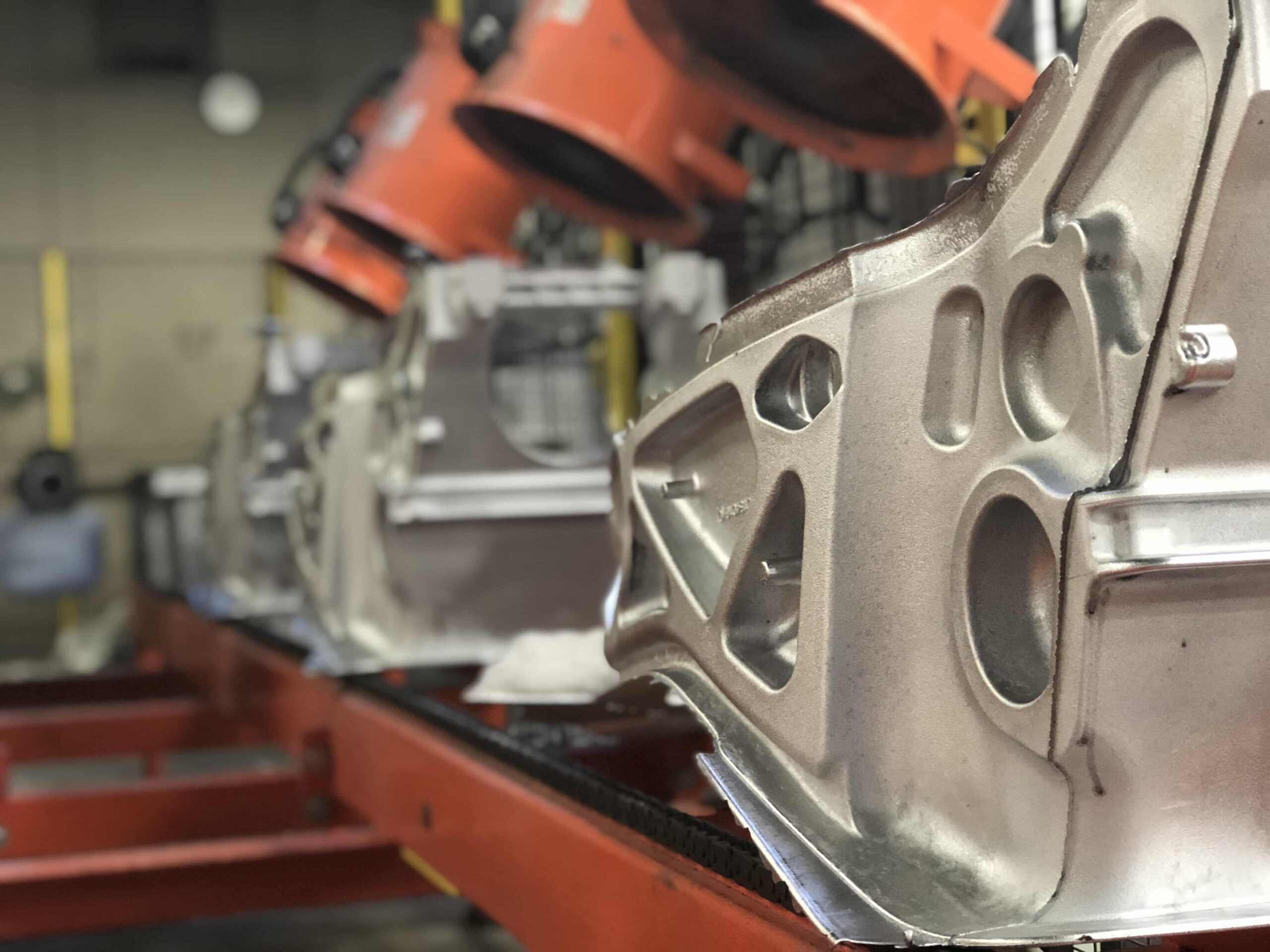
Furthermore, insulation improvements and using energy-efficient illumination better enhance general plant performance. By carrying out real-time monitoring systems, factories can determine ineffectiveness and readjust procedures as necessary. Moreover, training staff members on power conservation methods cultivates a society of sustainability.
Governing Full Report incentives and increasing energy expenses likewise motivate shops to purchase energy-efficient services. As these procedures are accepted, the aluminum foundry market not only decreases its carbon footprint however also improves productivity, placing itself favorably in an affordable market. Such innovations are crucial for straightening functional experiment modern-day ecological criteria.
Quality Control and Process Improvement
Quality control and process enhancement are paramount in the aluminum foundry market, directly influencing product integrity and functional effectiveness. Executing rigorous quality control actions assures that each phase of manufacturing sticks to developed requirements, consequently lessening issues and improving the total quality of castings. Metal Foundry. Techniques such as statistical procedure control (copyright) allow shops to check production procedures in actual time, identifying variants and allowing prompt corrective actionsFurthermore, constant process renovation methodologies, such as Lean and 6 Sigma, foster a culture of effectiveness among foundry groups. These approaches help remove waste and enhance procedures, inevitably adding to decreased production prices. Routine training and development of employees even more reinforce top quality assurance efforts, guaranteeing that workers are geared up with the most recent techniques and innovations. By prioritizing quality control and process enhancement, aluminum foundries can not only boost item stability however likewise attain substantial expense savings, making them more affordable out there.
Case Studies of Price Reduction Successes
While many aluminum shops face climbing manufacturing costs, a number of have efficiently carried out critical campaigns that considerably reduced expenses. One notable case entailed a foundry that embraced sophisticated automation modern technologies, causing a 30% decrease in labor expenses. By making use of robot systems for casting and machining, the facility lessened human mistake and boosted production effectiveness.An additional foundry concentrated on maximizing its supply chain by negotiating far better agreements with resources distributors. This initiative brought directory about a significant decrease in material expenses, achieving a 15% decrease on the whole. Additionally, a third instance highlighted a shop that overhauled its recycling procedures, reclaiming aluminum scrap better, which not only reduced product expenses yet likewise added to sustainability efforts.
These instance researches exhibit how targeted engineering strategies can cause significant expense decreases, allowing aluminum shops to stay affordable while improving their lower line.
Regularly Asked Concerns
What Are the Main Advantages of Aluminum Over Various Other Metals?

Exactly How Does Aluminum Recycling Impact Manufacturing Costs?
Aluminum reusing considerably decreases production expenses by reducing raw product expenditures, lessening power usage, and lowering discharges. This procedure enhances sustainability while making aluminum more financially practical contrasted to primary metal manufacturing methods.What Industries Advantage Most From Aluminum Foundry Engineering?
Automotive, aerospace, and consumer electronic devices industries benefit most from aluminum foundry engineering. These fields leverage aluminum's light-weight residential or commercial properties and recyclability, boosting product performance while minimizing weight, inevitably resulting in boosted performance and cost-effectiveness in manufacturing processes.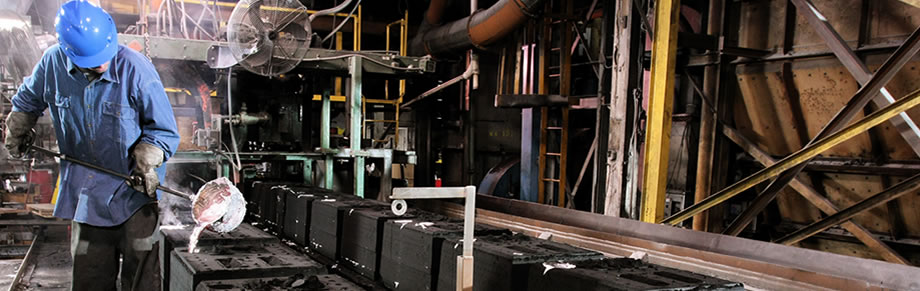
What Prevail Challenges Dealt With by Aluminum Foundries?
Typical obstacles encountered by aluminum foundries include handling production performance, ensuring quality assurance, lessening waste, resolving tools upkeep, steering fluctuating raw material prices, and adapting to technological developments while satisfying client needs and regulative demands.Exactly How Can Smaller Makers Implement Foundry Engineering Solutions?
Smaller sized makers can carry out foundry engineering remedies by buying contemporary devices, embracing lean production concepts, educating team on ideal practices, collaborating with seasoned engineers, and making use of simulation software program to maximize manufacturing processes efficiently.Aluminum foundry engineering plays a vital function in reducing production prices for makers. Furthermore, recycling scrap aluminum within the foundry not just decreases expenses but additionally advertises sustainability. As the aluminum foundry market faces raising stress to decrease costs and ecological effect, energy performance has emerged as an essential emphasis area. Quality control and procedure enhancement are paramount in the aluminum foundry sector, directly affecting product reliability and functional efficiency. While several aluminum factories face climbing production prices, several have actually effectively applied calculated initiatives that substantially decreased expenditures.
Report this wiki page